
The Summit Is Just the Beginning: Navigating the Retirement Descent
October 22, 2026
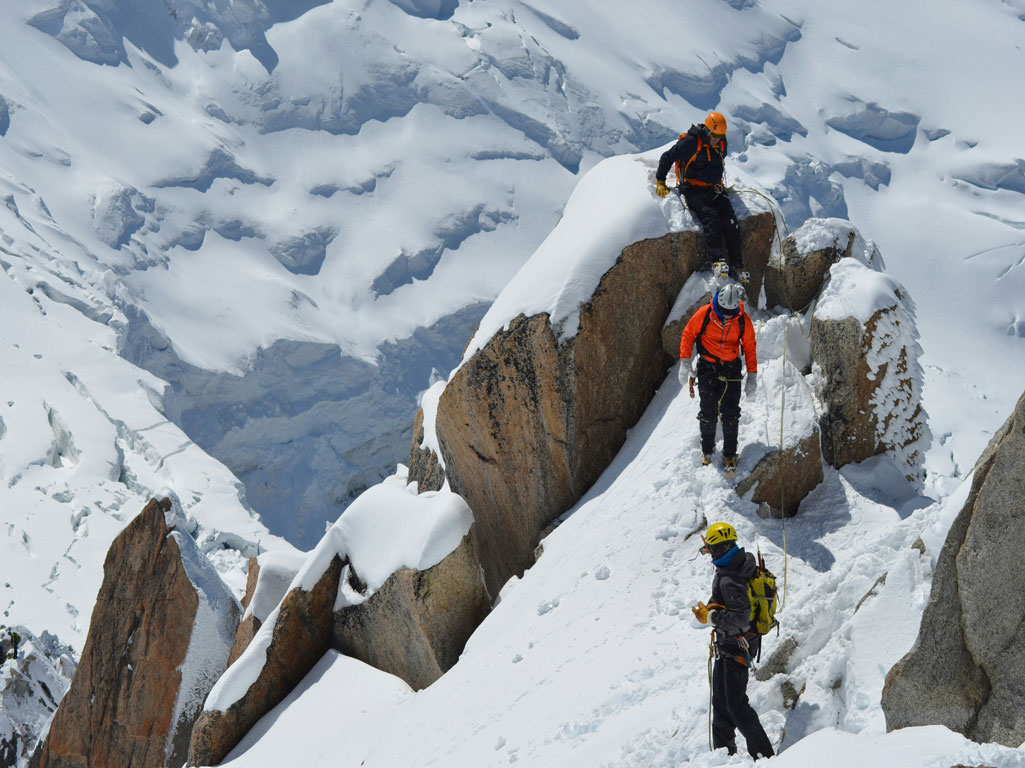
Imagine spending decades preparing to climb a mountain. You train, study the route, gather your gear, and slowly work your way higher. There are steep stretches, unpredictable weather, and plenty of moments when progress feels slow. But you keep going because you know where you want to end up: the summit.
For many people, retirement is that summit. After years of saving through a 401(k), IRA, or other investment accounts, you’ve reached the point where you can begin using the assets you’ve worked so hard to build. However, there’s one important detail that’s easy to overlook: reaching the top doesn’t mean the journey is over. You still have to get down.
Similar to how risks can change when a mountain climber begins the descent, the risks of investing can change when you move from accumulating assets to taking distributions. The strategy that helped you build your retirement savings may not address every challenge you’ll face when it’s time to start using them.
The Climb: Building Toward Retirement
During your working years, the primary objective is accumulation. You contribute to your retirement accounts, invest those contributions, and give your money time to grow. With a long-time horizon, time is your advantage to navigating market ups and downs.
Markets don’t move in a straight line. Corrections and bear markets are part of investing, and your account balance could experience declines along the way. When retirement is still years away, you may have time to recover from those declines and continue contributing. Lower prices may give you the opportunity to buy more shares with your ongoing contributions.
That doesn’t mean market losses are enjoyable or that every decline will be quickly recovered, but it means the circumstances are different when you’re still building your portfolio and aren’t relying on it to cover your everyday expenses. During the climb, you can focus on steadily accumulating assets while keeping your long-term goals in view.
The Summit: When the Goal Changes
Reaching the summit is a major accomplishment. After decades of saving, you may finally be ready to retire and begin drawing on the assets you’ve accumulated. But this is when objectives change. Instead of primarily asking how much you can save, you now need to consider how those assets will support you throughout retirement.
That shift matters because retirement doesn’t eliminate investment risk. In some ways, it can make the consequences of a market decline more significant. You may no longer be contributing to your portfolio, and you may need to withdraw money to help pay for living expenses. Your investments aren’t just growing for a future goal anymore; they’re helping fund your life today.
Consider two investors who experience the same 20% market decline. One is still working, contributing to a retirement account, and expecting to leave the money invested for another 20 years. The other is retired and withdrawing money from the portfolio to cover expenses. The percentage decline is the same, but their circumstances are not. The first investor may have a long-time horizon to recover, while the second may need to sell investments at depressed prices to fund withdrawals.
This is one reason the sequence of market returns matters during retirement. When withdrawals coincide with market losses, selling assets can leave fewer dollars invested to participate in a future recovery. The timing of those losses can affect how long your savings lasts.
The summit, then, isn’t simply a finish line. It’s a transition point. And it’s worth considering whether your investment approach is designed for the next phase of the journey.
The Descent: Managing Risk Along the Way
Coming down a mountain requires a different kind of attention than climbing up. You can’t control the weather, and you can’t guarantee that every step will be easy. What you can do is prepare for changing conditions, pay attention to what’s happening around you, and have a plan for responding when the situation calls for it.
Retirement investing presents a similar challenge. A set-it-and-forget-it mindset may not give enough consideration to how your needs change once you’re taking distributions. That doesn’t mean every retiree needs to make frequent changes to a portfolio, or that anyone can reliably predict when the next market decline will occur. It means having a thoughtful process for managing risk can become especially important when you’re depending on your investments for income.
We believe a systematic approach to investing can help address that challenge. Trend following focuses on observable market behavior rather than trying to predict what markets will do next. When trends are favorable, the process seeks to participate. When trends deteriorate, it can respond to those changing conditions according to established rules.
No market-based approach can eliminate market risk, and trend following cannot guarantee protection from losses. But a systematic process offers a framework for responding to what the market is doing instead of relying entirely on forecasts, emotions, or the assumption that conditions will always remain favorable.
The goal isn’t to predict the weather on the way down. It’s to have a process for responding when the weather changes.
The Journey Isn’t Over
Reaching retirement is worth celebrating. It represents years of discipline, patience, and hard work. But building a retirement portfolio and drawing income from one are two different challenges, and the risks that matter most can change along the way.
During the climb, time and ongoing contributions may help you navigate market declines. During the descent, withdrawals can make those same declines more consequential. That’s why retirement planning shouldn’t stop once you’ve reached your savings goal. It’s worth considering how your investment approach accounts for the journey ahead.
The climb is only half the journey. Having a plan for the descent matters, too.
Let's Talk
If you’d like to discuss preparing your portfolio for the transition into retirement